





















The United States prides itself on democracy and freedom, giving every eligible citizen the opportunity to express their opinions and voice at the ballot box. Yet today, more than a quarter of all American citizens remain unregistered. While some of this may be attributed to apathy, much of it comes from our antiquated voter registration system that erects unnecessary barriers to political participation. It is time to streamline the system by making voter registration automatic.
Currently, registering to vote is an opt-in process that places the responsibility to register purely on the individual. Citizens must fill out several forms, follow various state deadlines — typically several weeks before Election Day — and constantly check their information’s accuracy. One in eight people’s registration has some form of inaccuracy. These barriers not only make it more difficult to vote, but disproportionately affect young voters, the elderly, low-income Americans and communities of color.
The United States is an outlier in this approach. Most modern democracies have automatic registration policies leading to substantially higher voter turnouts than the U.S. In Germany, for example, voter registration is automatic once citizens are at least 18 and establish residency at least 42 days before an election. Because of this, as of February 2025, they have an average turnout of 83%. The U.S., in comparison, had a voter turnout hovering around 60% — often lower — for the past 100 years.
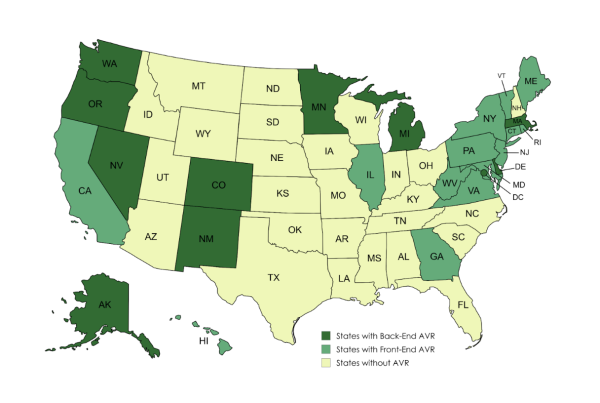
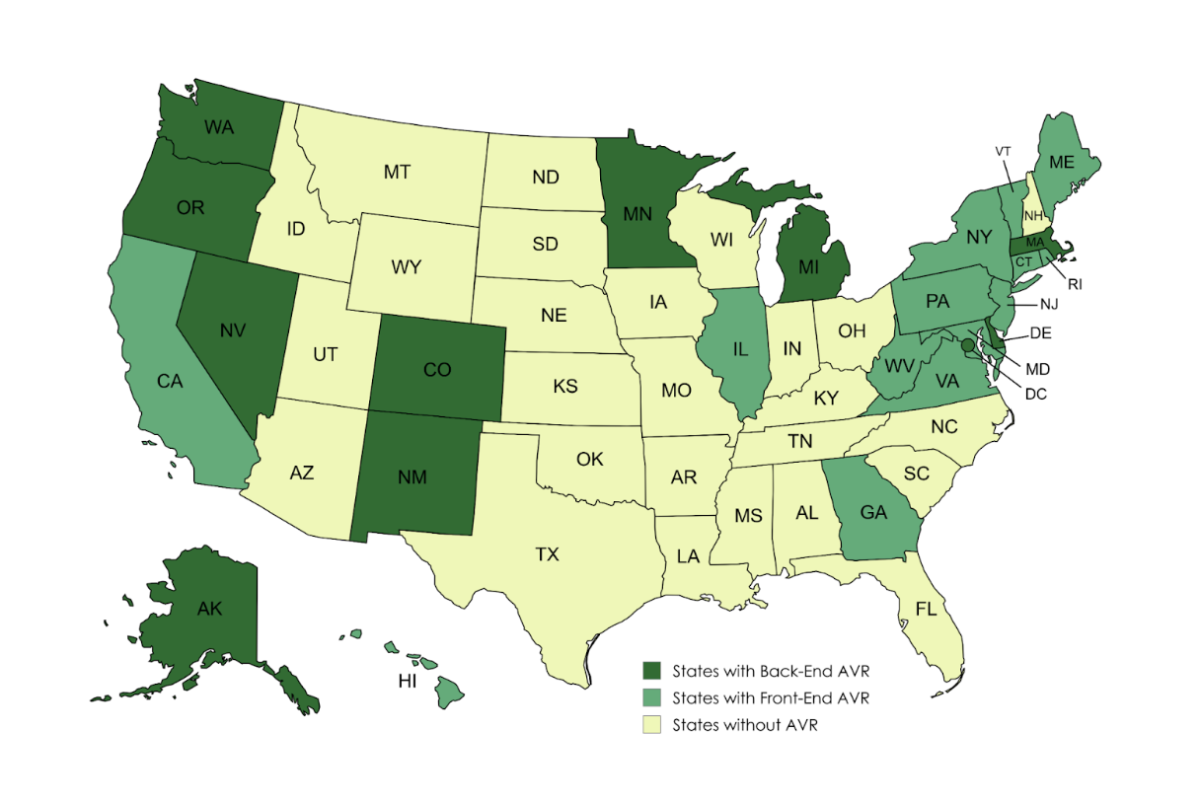
Many states have already started to put these sorts of policies into practice. Ten states and Washington, D.C., have all enacted back-end automatic voter registration (AVR), meaning that they have dedicated government agencies to directly register voters unless they explicitly decline. Fourteen states besides those have put front-end AVR policies into place, where interactions with government agencies, such as when receiving a driver’s license, offer the option to opt-out.
Though some opponents of AVR argue that the system could lead to government overreach or privacy issues, in reality it just shifts the burden from the citizen to the state. Opt-out systems allow for the preservation of personal liberty while ensuring that there are fewer barriers to participating. If voting is considered a foundational right and civic responsibility in a democratic republic, access to that right should not depend on navigating the red tape.